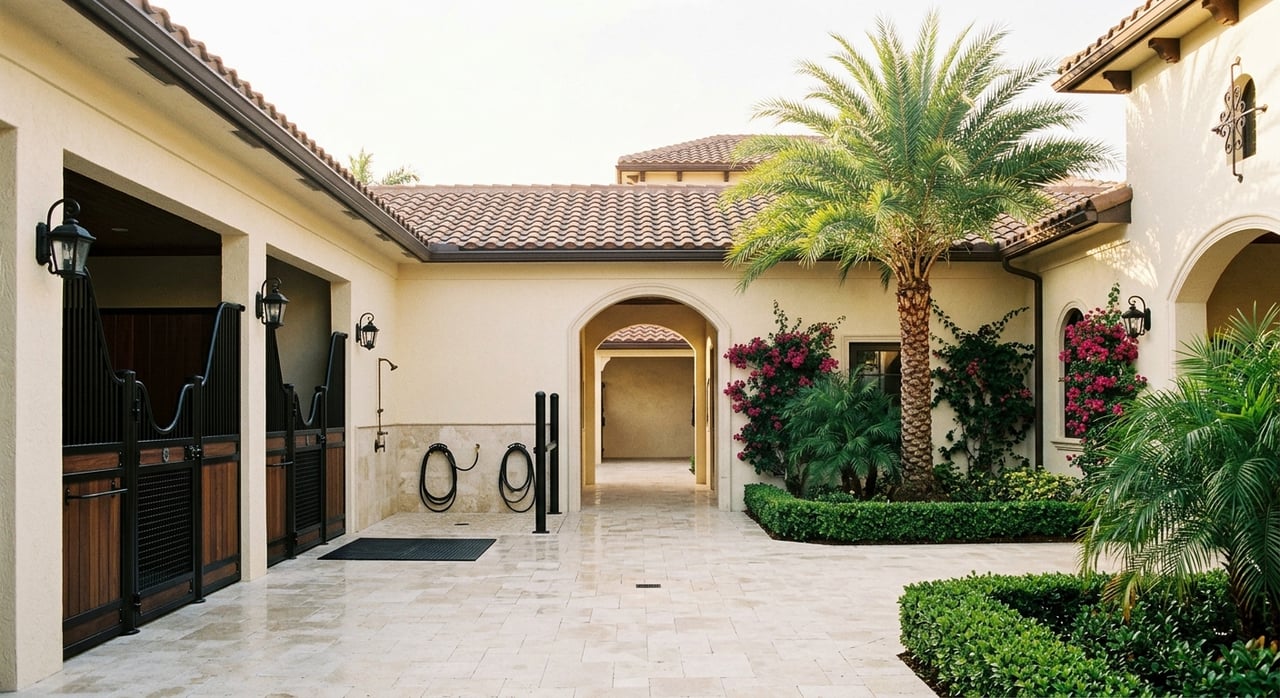
If you are exploring Wellington, you have probably noticed that this is not just another South Florida suburb. Wellington is widely recognized for its equestrian identity, and that shapes everything from daily traffic patterns to the kinds of homes buyers compare. Whether you want a full horse property or simply easier access to the action, understanding how Wellington equestrian living works can help you make a smarter move. Let’s dive in.
Why Wellington Feels Different
Wellington’s equestrian culture is built into the community itself. The village describes Wellington as an international equestrian community and has long focused on supporting a year-round horse environment through planning, land use, and trail systems. According to the village’s equestrian community overview, the preserve framework includes an Equestrian Overlay Zoning District, more than 100 miles of public bridle trails, and more than 580 farms.
That identity is not just branding. The village also highlights Equestrian Preserve planning efforts that include extensive trail access and long-range support for horse-related land use. For you as a buyer, that means Wellington offers a real mix of lifestyle options, from active training properties to homes that simply benefit from being near a globally known equestrian hub.
Wellington’s Event Calendar Matters
The seasonal rhythm of Wellington is a major part of the home search. Wellington International hosts more than 40 weeks of horse shows each year, with the Winter Equestrian Festival running from January through March and competition shifting to Equestrian Village from May through October.
For 2026, the schedule is especially clear. WEF runs January 1 through March 29, and the 2026 Adequan Global Dressage Festival runs January 7 through March 29, while the National Polo Center operates as a separate polo venue. If you are buying here, those dates matter because they affect convenience, traffic flow, rental demand, and how active certain pockets of Wellington feel during peak season.
Why Proximity Shapes Home Choices
In Wellington, distance is not just a map detail. It can shape your morning routine, hauling schedule, guest access, and how easy it is to enjoy the season without spending extra time in traffic.
The main Wellington International entrance is at 3400 Equestrian Club Drive, and Equestrian Village is at 13500 South Shore Boulevard, according to the venue’s directions page. Homes close to these access points and major connecting roads can feel more convenient during the winter circuit, especially when the event calendar is at its busiest.
The Main Home Options in Wellington
Most buyers considering Wellington equestrian living are really choosing between three broad paths. The right fit depends on how hands-on you want to be with horses, how much land you need, and how important venue access is to your daily life.
Near-Venue Homes
Some buyers want to stay close to the showgrounds without taking on a full farm operation. Local market reporting identifies areas such as Saddle Trail as a smaller-lot option near the venues, while other premium equestrian submarkets often discussed include Grand Prix Village, Palm Beach Point, and Rustic Ranches.
This type of purchase can make sense if your top priority is efficiency. You may want quick venue access, a more manageable property footprint, or a home base that keeps you close to Wellington’s equestrian core without the demands of a larger training setup.
Estate Farms and Training Properties
If you need room for barns, rings, turnout, and support spaces, you are likely looking at larger equestrian parcels. The current land market framework referenced in local reporting breaks these properties into categories such as improved farms, raw land, and larger estate sections.
These properties are typically less about standard residential features and more about function. The layout, usable acreage, drainage, circulation, and whether the parcel can support your intended horse use may matter just as much as the residence itself.
Conventional Homes Near the Preserve
Not every Wellington buyer needs to own horses. Some want the atmosphere, access, and convenience of living near the preserve and show venues while choosing a more traditional home.
That can be a practical path if you enjoy the seasonal energy and want proximity to trails or equestrian events without operating a horse property. Wellington’s preserve framework and venue layout make that kind of lifestyle possible, which is one reason the market appeals to both riders and non-riders.
What Really Drives Value
In many markets, buyers focus first on square footage and bedroom count. In Wellington’s equestrian areas, those details still matter, but they are only part of the picture.
Access and Travel Time
For many buyers, closeness to the venues carries real value. During the busiest parts of the season, shorter drives to Wellington International or Equestrian Village can make daily routines much easier.
That does not mean the closest property is always the best buy. It means you should weigh location against your actual goals, whether that is training efficiency, easier arrivals for seasonal guests, or a quieter setting with good access when needed.
Zoning and Allowed Use
The village notes that the Equestrian Preserve has its own zoning district, and Wellington’s Planning, Zoning & Building resources are essential if you are evaluating a horse property. Before you buy, you should confirm whether the parcel is in the preserve, what uses are permitted, and whether any restrictions could affect your plans.
This is especially important if you are comparing vacant land, improved farms, or properties that may need renovation. A beautiful property is only a good fit if it legally supports how you intend to use it.
Drainage and Site Function
Drainage is a serious consideration in South Florida, and Wellington specifically notes drainage improvements as part of its equestrian planning effort. If you are purchasing a property for horse use, site conditions deserve close attention.
A parcel may look attractive at first glance but still require careful review of water management, footing areas, and overall usability. For equestrian buyers, function on the ground often matters more than a polished first impression.
Seasonality Changes Daily Life
Wellington stays active beyond the winter circuit, but winter brings a different level of intensity. The Palm Beach County Sports Commission reports that the 2025 Winter Equestrian Festival generated $205.4 million in direct horse-related spending and $63.4 million in direct visitor spending, along with 162,648 paid room nights.
Those numbers help explain why Wellington can feel so dynamic during peak season. The same source notes that WEF is the largest annual sporting event in Palm Beach County and that the 2026 festival is drawing participants from all 50 states and more than 50 nations. For you, that can translate into a busier local rhythm in winter, with more demand for rentals, services, dining, and staffing than you may see in the off-season.
Do You Need Horses to Live Here?
No. Wellington’s housing options span far beyond working horse properties.
You can absolutely choose a conventional home and still enjoy what makes the area special. Some buyers come for active equestrian use, while others are drawn to the international atmosphere, the seasonal events, and the convenience of living near one of the country’s most recognized horse communities.
What to Check Before You Buy
If you are considering Wellington equestrian living, a careful review up front can save time and frustration later. Before moving forward, it helps to confirm:
- Whether the property is located within the Equestrian Preserve
- What zoning and use rules apply to the parcel
- Whether there are HOA or covenant restrictions
- How the drainage and site layout function in practice
- Whether the property setup matches your intended number of horses, stalls, or training spaces
- How close the home is to the venues and roads you expect to use most often
For buyers comparing multiple options, this checklist often matters more than cosmetic upgrades. A property that fits your routine and intended use will usually serve you better than one that simply looks impressive online.
How to Think About the Right Fit
The best Wellington home is not always the largest farm or the closest address. It is the one that aligns with how you plan to live here.
If you want a low-maintenance base for the season, a conventional or near-venue home may be the smartest choice. If you need horse infrastructure and operational flexibility, a larger farm may be worth the extra complexity. If you are still deciding, it helps to compare each option through the lens of access, land use, and day-to-day function instead of relying on price or size alone.
Wellington can be a highly nuanced market, especially for equestrian buyers and seasonal residents. If you want help comparing neighborhoods, preserve properties, or homes that offer easier access to the showgrounds, Nestseekers Palm Beach can help you navigate the options with clear, tailored guidance.
FAQs
What is Wellington equestrian living like for a homebuyer?
- Wellington equestrian living can range from owning a full training property to living in a conventional home near the preserve and show venues, depending on how involved you want to be with horses.
What home types are available in Wellington for equestrian buyers?
- Buyers often compare near-venue homes, larger estate farms and training properties, and traditional homes that offer access to the equestrian lifestyle without managing a horse property.
Why does proximity matter when buying a home in Wellington?
- Proximity matters because Wellington International and Equestrian Village host major seasonal events, and shorter travel times can improve convenience during the busiest months.
What should buyers verify before purchasing a Wellington equestrian property?
- Buyers should verify zoning, preserve location, permitted use, HOA or covenant restrictions, drainage, and whether the site layout fits their intended horse or training needs.
Do you need to own horses to enjoy living in Wellington?
- No, you do not need to own horses to live in Wellington, since many buyers choose homes that offer access to the area’s equestrian atmosphere without operating a farm.
How does the Winter Equestrian Festival affect Wellington real estate?
- The festival brings significant seasonal activity, visitor volume, and room-night demand, which can influence convenience, traffic patterns, and interest in nearby homes during peak months.