If you are thinking about living on Palm Beach Island, the biggest surprise may be how structured and residential daily life feels. Yes, the setting is beautiful and the lifestyle is tied closely to the ocean, but the island also runs on a clear rhythm shaped by seasons, beach access, parking rules, and a strong sense of place. If you want to understand what day-to-day life really looks like, this guide will walk you through the island’s pace, patterns, and practical realities. Let’s dive in.
Palm Beach lifestyle at a glance
Palm Beach is a barrier island in eastern Palm Beach County with a distinct residential identity. According to the Town of Palm Beach FY2024 annual report, the Town serves 9,212 full-time residents plus an estimated 15,000 seasonal residents from November to May.
That seasonal shift matters. In winter, the island tends to feel fuller, more social, and more active. In summer, the pace is typically quieter and more relaxed, which reflects the Town’s population patterns and seasonal schedules.
The Town also describes Palm Beach as a community with small-town character, strict zoning, and high public safety and public works services. Commercial activity is limited mainly to town-serving uses such as banks, shops, hotels, restaurants, and similar establishments, which helps explain why the island often feels more residential than urban.
A typical day on Palm Beach Island
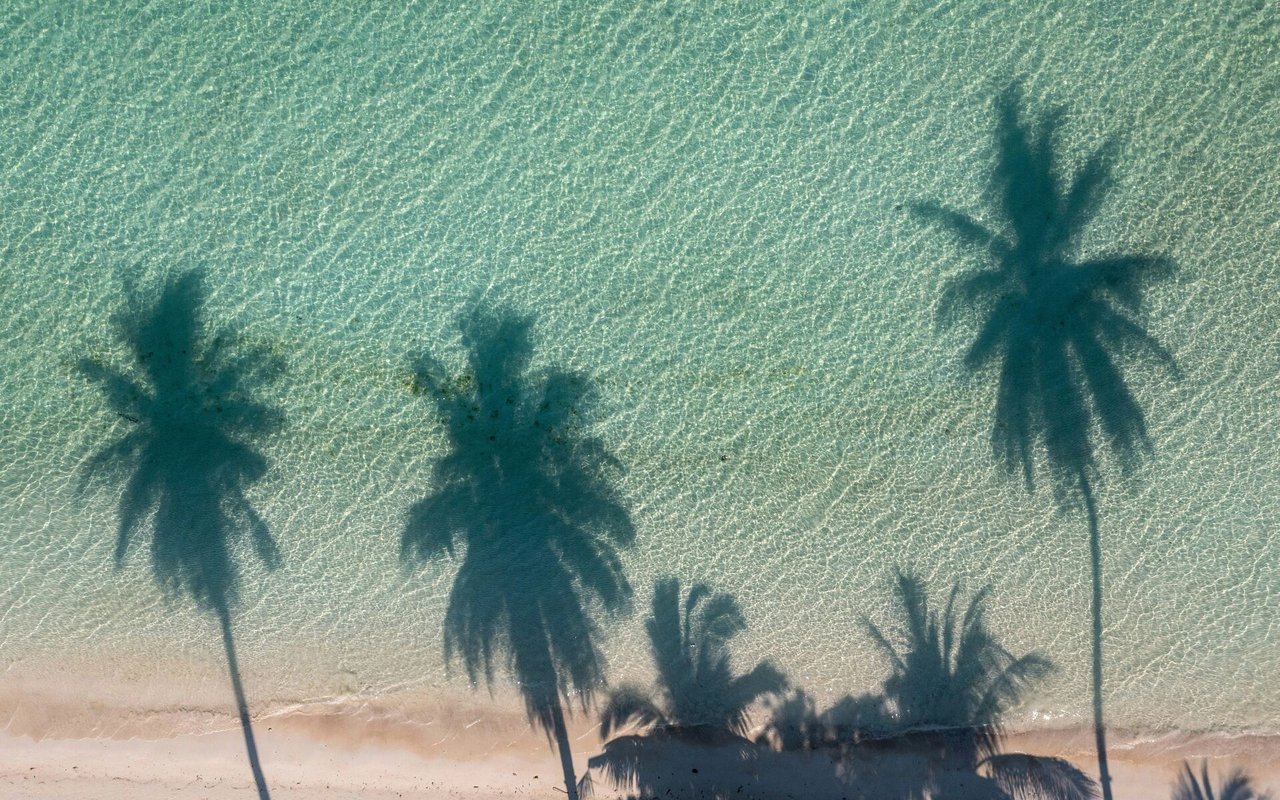
For many residents, the day starts early and outdoors. With more than 12 miles of beachfront and two public beaches, Mid-Town Municipal Beach and Phipps Ocean Park, the ocean plays a central role in everyday life.
Beach access is designed around daytime use. The Town notes that public beach access points use electronic locks that are open during the day and locked at night, and Ocean Rescue covers both public beaches seven days a week, 365 days a year.
A common island rhythm may look something like this:
- Morning walk or beach time
- Coffee, errands, or a stop along Worth Avenue
- Lunch nearby or time at home
- Afternoon tennis, golf, reading, or cultural programming
- Early dinner or an evening stroll
That rhythm will vary by household, of course, but the island’s public amenities support a lifestyle that feels active, coastal, and more daytime-oriented than late-night oriented.
Beach access shapes the day
Living on Palm Beach Island means the beach is not just a backdrop. It is part of how many people organize their routines. Because access points are open during the day and locked at night, and because lifeguard coverage is year-round at the Town’s two public beaches, the waterfront experience is closely tied to daytime activity.
If you are comparing Palm Beach to a more nightlife-driven coastal destination, this is an important distinction. The island’s beach culture feels more focused on morning swims, walks, and sun-filled afternoons than on after-dark entertainment.
There is one temporary update worth keeping in mind. The Town says Phipps Ocean Park is scheduled to close from May 1 to October 1, 2026, during its transformation project, and south-end beach access there will reopen after project completion.
Worth Avenue adds a daily social center
While Palm Beach is first and foremost residential, Worth Avenue gives the island a clear social and shopping core. The Worth Avenue Association describes the district as a blend of luxury brands, independent boutiques, specialty shops, dining, galleries, Mediterranean-inspired architecture, and historic charm.
For residents, that means your everyday routine can include more than beach time and private clubs. You can run errands, meet friends for coffee or lunch, browse galleries, or simply enjoy a walk through one of the island’s best-known districts.
Worth Avenue also hosts recurring community traditions such as historical walking tours, holiday tree lighting, a spring pet parade, a bunny stroll, and Run for the Roses on Worth. These events help create a calendar of familiar seasonal touchpoints, especially during the busier winter months.
Arts and culture are part of island life
Palm Beach may be small in size, but its cultural calendar is notably active. One of the island’s major anchors is The Society of the Four Arts, which offers art exhibitions, speakers, concerts, films, educational programs, and two libraries from its campus at 100 Four Arts Plaza.
That concentration of programming adds another layer to the island’s daily rhythm. Your day might start with the beach, continue with lunch or shopping, and end with a lecture, concert, or exhibition.
This is one reason Palm Beach often appeals to buyers who want more than a scenic address. The island offers a lifestyle that combines outdoor living with an established arts and intellectual scene.
Recreation goes beyond the shoreline
Palm Beach living is not limited to the ocean. The Town also highlights award-winning golf and tennis facilities, and its recreation information notes that places such as Seaview Park Tennis Center support lessons, clinics, mixers, tournaments, and league play for both children and adults.
For you as a buyer or seasonal resident, that adds depth to daily life. Even if your morning starts at the beach, your week can still include structured recreation, social play, and organized programming.
That balance is part of the island’s appeal. It supports a lifestyle that feels polished and active without feeling rushed.
Winter and summer feel different
One of the most important things to understand about Palm Beach is that the island is strongly seasonal. The Town’s history page notes a long tradition of winter residency, and the FY2024 report confirms that seasonal residents are present from November to May.
In practical terms, winter is usually the island’s busiest stretch. Restaurants, events, and social calendars tend to feel more active, while summer often feels lower-key.
Neither season is inherently better. It simply depends on the pace you prefer. Some owners love the energy of the winter season, while others value the quieter feel of the warmer months.
Ownership comes with practical planning
Palm Beach’s beauty is only part of the ownership story. If you are considering a full-time home or second home here, it helps to think through the everyday logistics that shape life on the island.
Hurricane season matters
The Town states that hurricane season runs from June 1 to November 30. In a mandatory evacuation, it may establish roadblocks at bridge access points.
Once conditions are safe, residents, out-of-town owners or leaseholders, business owners, and property representatives may need to use the Town’s Emergency Re-Entry List to regain access. For second-home owners in particular, storm planning is not a side issue. It is part of responsible ownership.
Parking is managed closely
The island is walkable in key areas, but parking is carefully regulated. According to the Town’s parking permit guidelines, residential permits are block-specific, visitor hangtags are limited, and some central areas, including Worth Avenue and Four Arts Plaza, have timed parking zones active from 9 a.m. to 5 p.m.
That does not mean daily life is difficult. It simply means access and parking are more structured than in many less-regulated coastal areas. If you are buying here, it is wise to factor convenience, permits, and guest access into your home search.
Who tends to enjoy this lifestyle most?
Palm Beach Island often appeals to buyers who value a polished coastal routine, a residential setting, and a strong seasonal social calendar. It can be a fit if you want your days to feel intentionally paced, with access to the beach, dining, shopping, culture, and recreation all within a relatively contained environment.
It may also suit second-home owners who want a recognizable winter rhythm and a well-established town structure. At the same time, it helps to be realistic about the practical side of ownership, including weather planning, access rules, and seasonal variation.
If you are weighing Palm Beach against other South Florida options, the key question is not just whether you like the island. It is whether you like the rhythm of the island.
What this means for your home search
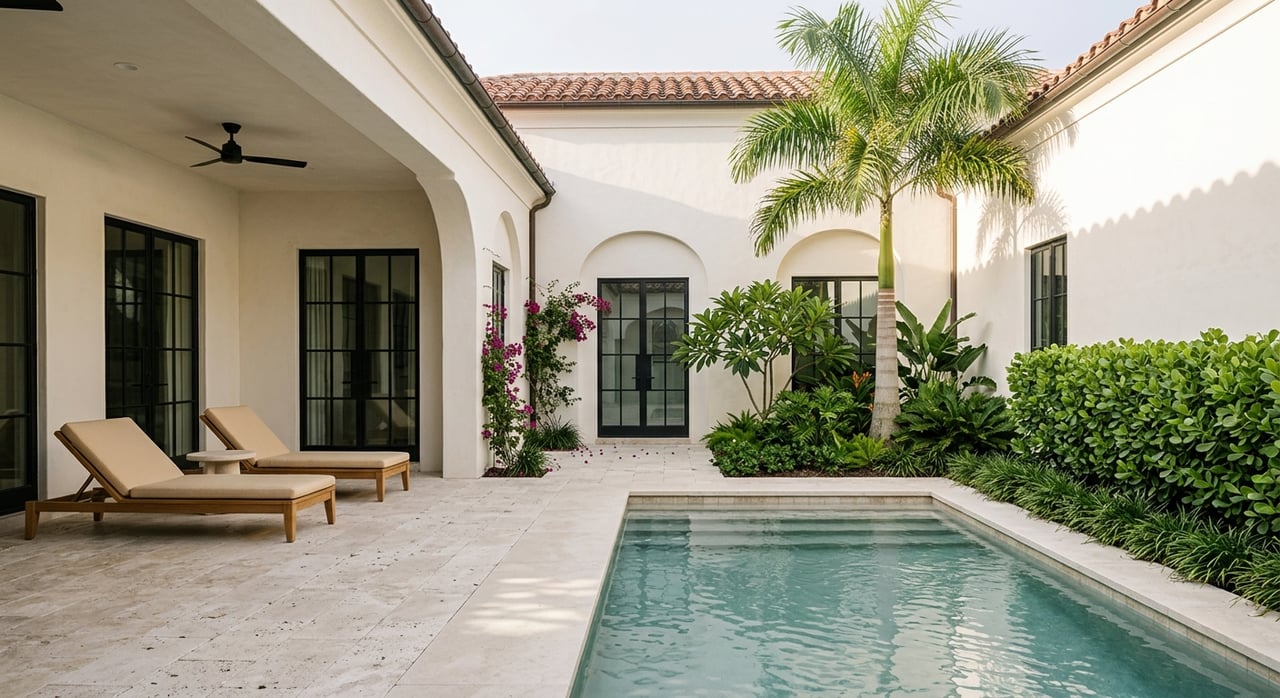
Lifestyle and real estate are closely connected on Palm Beach Island. The way you plan to spend your mornings, how often you want beach access, whether you prefer a quieter section or proximity to Worth Avenue, and how you think about seasonal use can all shape the right property choice.
That is why local guidance matters. A home here is not just about square footage or finishes. It is also about how the setting supports the way you actually want to live, whether that means a lock-and-leave condo, a seasonal residence, or a full-time island home.
If you are exploring Palm Beach Island or comparing it with nearby coastal options, Nestseekers Palm Beach can help you match the lifestyle to the right property with clear, informed guidance.
FAQs
What is daily life like on Palm Beach Island?
- Daily life on Palm Beach Island often centers on morning beach time, errands or shopping, lunch nearby, and afternoons that may include golf, tennis, or cultural events.
Is Palm Beach Island seasonal or year-round?
- Palm Beach is both year-round and seasonal, but the Town reports a significant increase in seasonal residents from November to May, so winter is typically the busiest time of year.
How beach-oriented is life on Palm Beach Island?
- Beach access is a major part of daily life, with more than 12 miles of beachfront, two public beaches, and daytime-access beach entry points supported by year-round Ocean Rescue coverage.
What should second-home buyers know about owning on Palm Beach Island?
- Second-home buyers should plan for hurricane season, possible emergency re-entry procedures, parking regulations, and occasional temporary access changes tied to Town projects.
Does Palm Beach Island have more to offer than beaches and shopping?
- Yes, Palm Beach also offers golf, tennis, and a strong cultural calendar, including exhibitions, concerts, films, lectures, and library resources at The Society of the Four Arts.